designui uxminimalism
The Art of Minimalist Design
By Cottonclaas Studio
2026-05-05— Updated 2026-05-22 — 4 Min Read
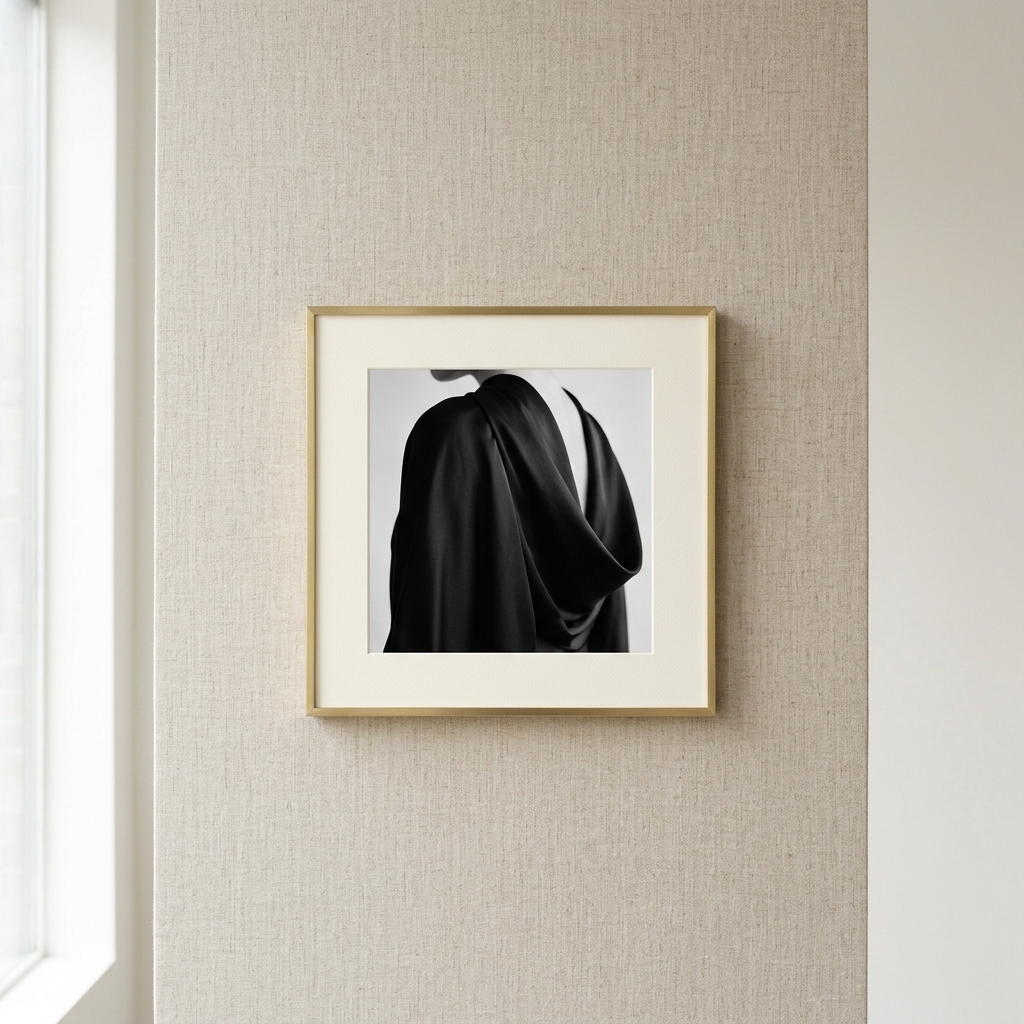
The Art of Minimalist Design
Minimalist design is an approach that removes all non-essential elements to focus on what truly matters. It's not about emptiness or deprivation — it's about intentionality. Every element on a page earns its place through function or beauty, and ideally both. This philosophy has shaped some of the most iconic design work of our time, from Dieter Rams's products to Apple's interfaces.
What Is Minimalist Design?
Minimalist design is a design philosophy that emphasizes simplicity, using the fewest possible elements to achieve maximum effect. The approach originated in the visual arts of the 1960s and has since influenced architecture, product design, fashion, and digital interfaces. The core principle is that removing unnecessary elements reveals the essential nature of the subject, creating clarity and impact.
Core Principles
1. Less is More
Every element on a page should serve a purpose. Remove anything that doesn't contribute to the user's understanding or experience. This doesn't mean removing essential information — it means removing visual noise.
How to apply this:
- Audit every element: Does it serve a function? Does it create beauty? If neither, remove it.
- Use whitespace as an active design element, not empty space to fill.
- Resist the urge to add "just one more thing" — each addition dilutes the impact of everything else.
2. Intentional Whitespace
Whitespace isn't empty — it's a powerful design tool. Strategic use of space:
- Creates visual breathing room
- Guides the user's eye
- Establishes visual hierarchy
- Communicates elegance and sophistication
Research from the Wichita State University usability lab found that whitespace between paragraphs and around margins increases comprehension by up to 20%.
3. Typography as Design
In minimalist design, typography often carries the visual weight. Choose typefaces that:
- Are legible at various sizes
- Have distinct character
- Complement each other when combined
- Match the tone of your content
The two-font rule: Limit yourself to one serif and one sans-serif. Use weight and size variation for hierarchy instead of adding more typefaces.
Color in Minimalism
Minimalist design often relies on a restrained color palette:
- Monochrome — Variations of a single color
- Neutral foundation — Whites, grays, and earth tones
- Single accent — One bold color used sparingly
This restraint makes any color you do use more impactful. When everything is quiet, the one loud element commands attention.
Implementation Tips
- Start with constraints — Limit yourself to a specific number of colors, fonts, and spacing values
- Test with content — Designs often break when real content is added
- Iterate by removing — Start with more elements and remove until it feels right
- Trust the process — Minimalism requires patience and refinement
Minimalism in Fashion Design
The same principles that guide minimalist visual design apply directly to clothing:
- Clean silhouettes replace ornate detailing
- Quality fabrics replace decorative patterns
- Intentional construction replaces unnecessary features
At Cottonclaas, we apply these principles to every garment. A well-cut cotton hoodie with no logo, perfect proportions, and premium fabric is the fashion equivalent of a perfectly typeset page.
Frequently Asked Questions
What is minimalist design?
Minimalist design is an approach that strips away all non-essential elements to focus on what truly matters. It's not about removing content or functionality — it's about removing visual noise so that the remaining elements have maximum impact. The principle "less is more," coined by architect Ludwig Mies van der Rohe, remains the guiding philosophy.
How do I start designing minimally?
Start with constraints: limit yourself to 2 fonts, 3 colors, and a consistent spacing scale. Design with real content from the beginning, not placeholder text. Then iterate by removing — start with more elements and eliminate anything that doesn't serve a clear purpose. Test every decision against the question: "Does this help the user accomplish their goal?"
Editorial Stories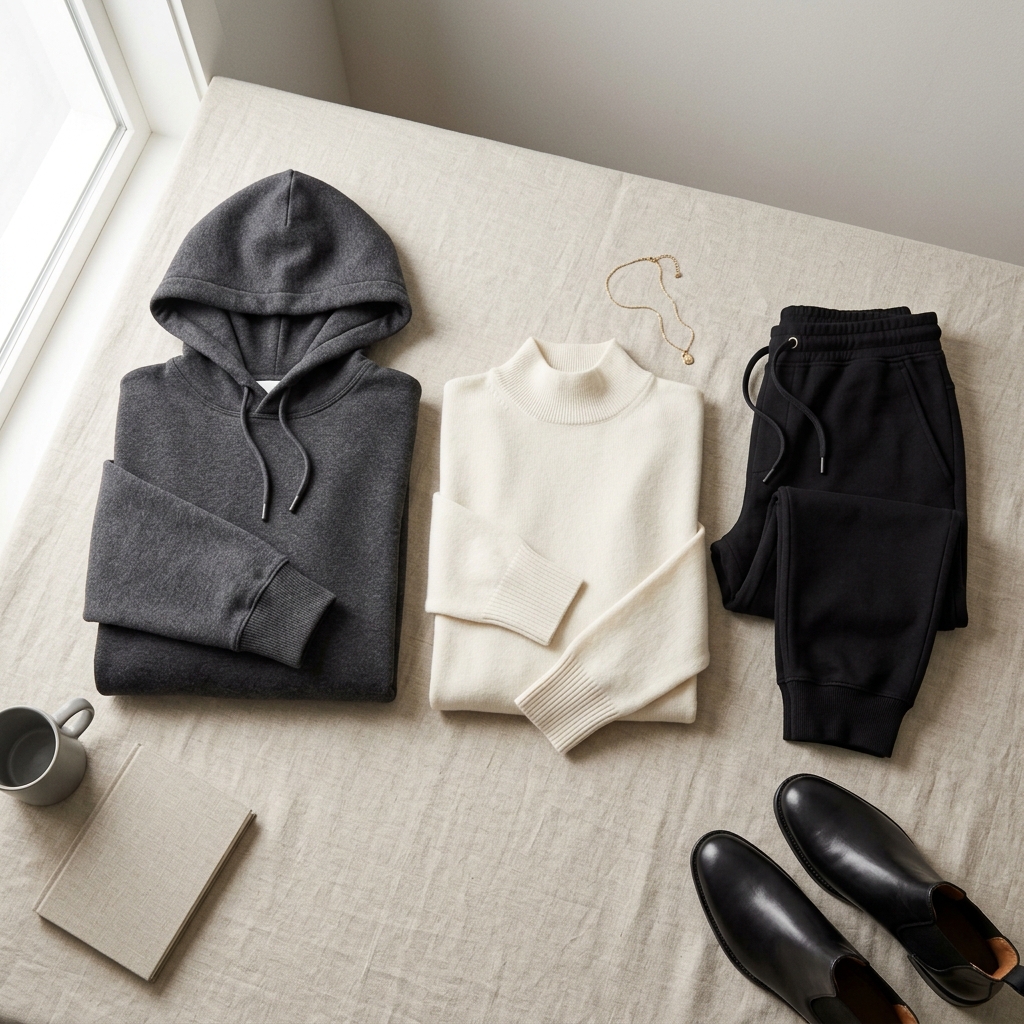
Related Articles
May 18, 2026
Minimalism in Cold Weather: Essential Pieces
Build a functional minimalist winter wardrobe with our curated selection of five essential garments designed for maximum versatility and cold-weather style.
June 5, 2026
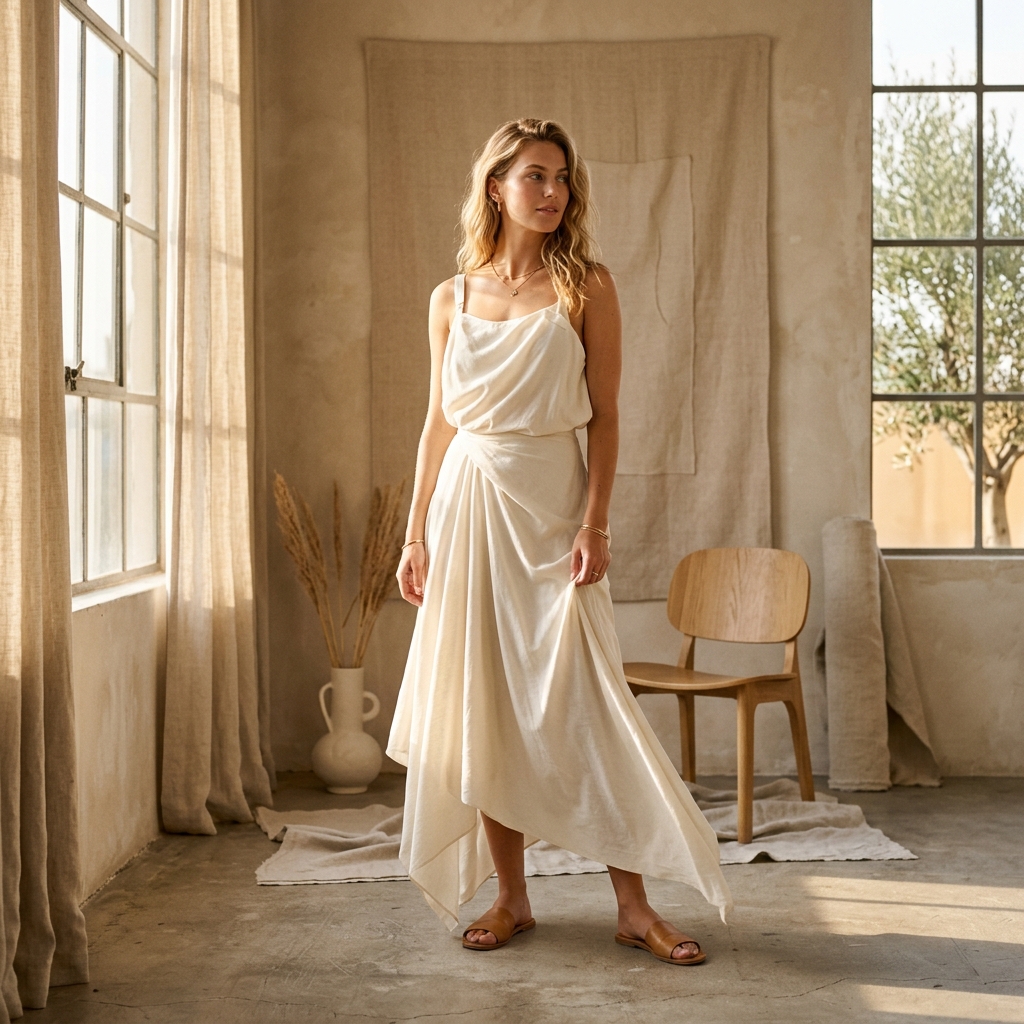
Crafting the Perfect Summer Wardrobe with Organic Cotton
Discover how to build a premium summer wardrobe using breathable organic cotton garments that balance comfort, durability, and luxury style.
May 25, 2026
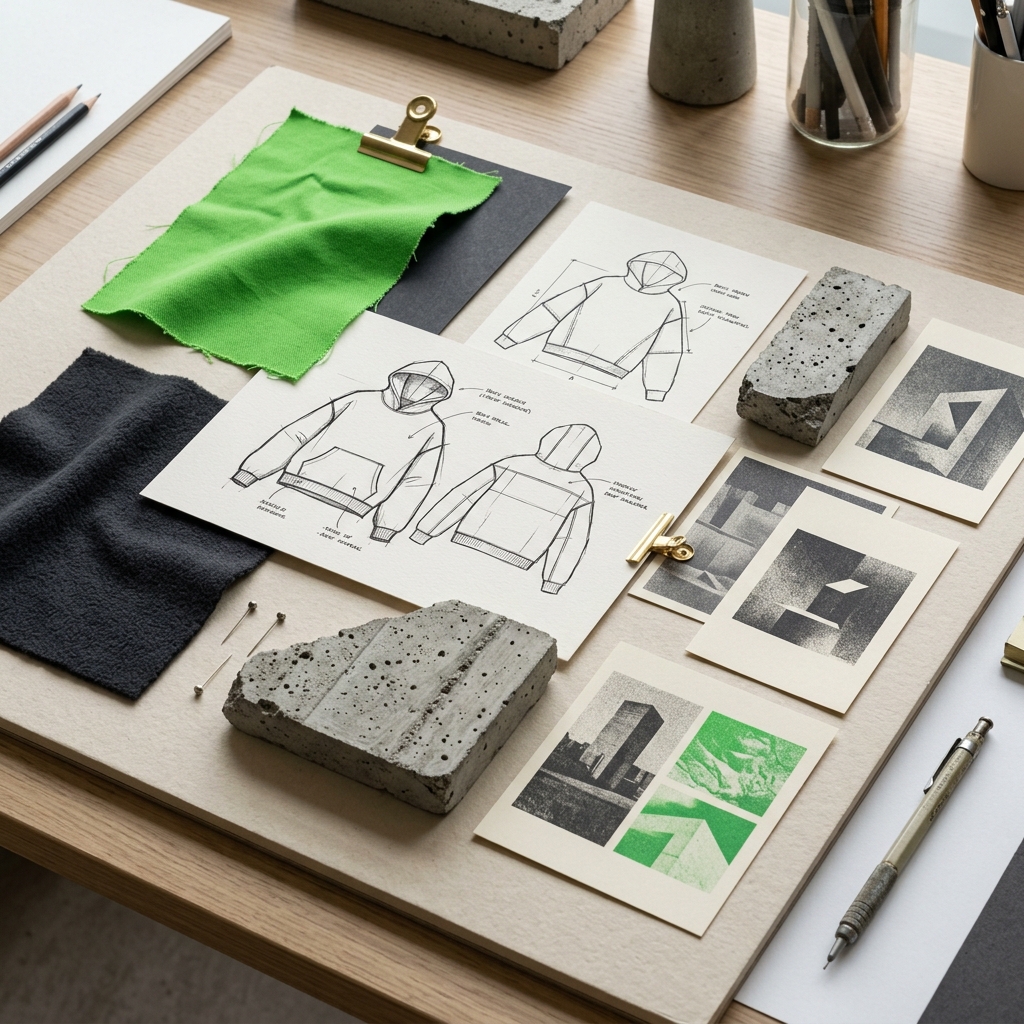
Winter 2026: The Creative Direction Behind the Collection
Discover the creative direction behind the Cottonclaas Winter 2026 collection, highlighting our brutalist inspiration and minimalist design philosophy.