sustainabilitytextilesquality
Sustainable Fabrics: Why Quality Matters in Winter
By Cottonclaas Studio
2026-05-15— Updated 2026-05-22 — 3 Min Read
Sustainable Fabrics: Why Quality Matters
Sustainable fabrics are textiles produced with minimal environmental impact across their entire lifecycle — from raw material sourcing through manufacturing, use, and disposal. Choosing high-quality, durable materials is the most effective strategy for reducing your fashion footprint, because garments that last longer require fewer replacements and generate less waste over time.
What Makes a Fabric Sustainable?
A fabric's sustainability is measured by its environmental impact across five key areas:
- Water usage — How much water is consumed during growing and processing
- Chemical treatments — Whether pesticides, dyes, and finishes are toxic
- Energy consumption — The carbon footprint of manufacturing
- Durability — How long the garment lasts before needing replacement
- End-of-life — Whether the material biodegrades or can be recycled
According to the Ellen MacArthur Foundation, the fashion industry produces over 92 million tonnes of textile waste annually. Choosing durable, sustainable fabrics is one of the most impactful actions consumers can take to reduce this number.
The Cottonclaas Standard
We focus on fabrics that provide longevity and comfort. Winter wear demands more from textiles than any other season.
Why Cotton for Winter?
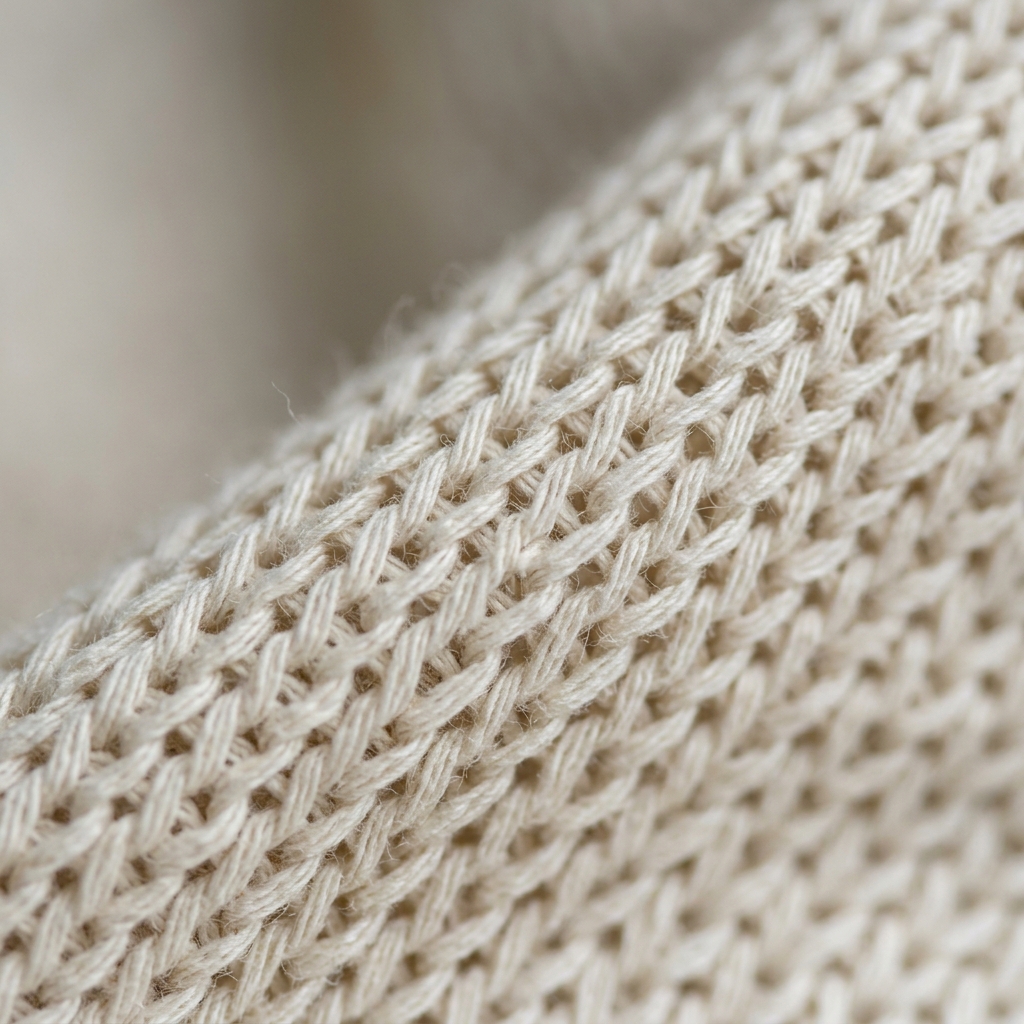
Cotton is often associated with summer, but high-density cotton weaves provide excellent insulation. The key is the weave structure:
- Heavy-gauge knits trap air between fibers, creating natural insulation
- Brushed cotton has a raised surface that holds warmth against the skin
- Tight weaves block wind penetration, a major source of heat loss
Material Architecture
const WinterFabricStack = {
  primary: "High-Density Cotton",
  insulation: "Recycled Thermal Blends",
  durability: "Reinforced Cross-Stitching"
};
Why It Matters
Investing in superior fabrics means fewer replacements, better skin health, and a reduced carbon footprint. Strategy in fashion starts with the thread.
The cost-per-wear equation: A ₹3,000 garment worn 300 times costs ₹10 per wear. A ₹1,500 garment worn 30 times before falling apart costs ₹50 per wear. Quality always wins on value.
Environmental Impact of Fast Fashion
- The fashion industry is responsible for 10% of global carbon emissions
- Textile dyeing is the second largest polluter of clean water globally
- The average person throws away 37 kg of clothing per year
- Synthetic fibers release microplastics — 35% of ocean microplastics come from textiles
Frequently Asked Questions
What makes a fabric sustainable?
A sustainable fabric is one that minimizes environmental impact across its lifecycle — from raw material sourcing and production to use and disposal. Key factors include water usage, chemical treatments, energy consumption during manufacturing, durability (longer-lasting garments reduce waste), and end-of-life recyclability or biodegradability.
Is cotton a sustainable fabric for winter clothing?
Yes, cotton can be highly sustainable, especially when grown organically without synthetic pesticides and processed using low-impact dyes. High-density cotton weaves provide excellent insulation for winter wear, and cotton's natural biodegradability means it won't persist in landfills like synthetic alternatives.
Editorial Stories


Related Articles
May 25, 2026
Winter 2026: The Creative Direction Behind the Collection
Discover the creative direction behind the Cottonclaas Winter 2026 collection, highlighting our brutalist inspiration and minimalist design philosophy.
May 21, 2026
Designing for Comfort: The Psychology of Winter Wear
Explore the psychology of winter wear and enclothed cognition, explaining how fabric weights, soft textures, and tactile comfort affect mood and productivity.
December 15, 2024
The Art of Winter Layering: A Strategic Guide
Master the art of winter layering with our strategic guide to styling premium cotton base, mid, and outer garments for cold-weather temperature regulation.