design psychologylifestylewellness
Designing for Comfort: The Psychology of Winter Wear
By Cottonclaas Studio
2026-05-21— Updated 2026-05-22 — 3 Min Read

Designing for Comfort
Clothing comfort is not just a physical sensation — it's a psychological experience that affects mood, productivity, and overall well-being. At Cottonclaas, we believe that clothing is an extension of your environment. During winter, the tactile sensation of your clothes can significantly impact your mental well-being.
What Is Enclothed Cognition?
Enclothed cognition is the systematic influence that clothes have on the wearer's psychological processes. Research by Hajo Adam and Adam Galinsky at Northwestern University (2012) demonstrated that the symbolic meaning of clothing and the physical experience of wearing it combine to affect attention, confidence, and abstract thinking. In simpler terms: what you wear changes how you think.
The Science of Winter Comfort
Sensory Safety
Soft textures and secure fits provide a sense of "sensory safety" during the harsh winter months. This is not just a feeling — it's a neurological response:
- Tactile comfort activates the parasympathetic nervous system, reducing stress hormones
- Gentle pressure from well-fitting garments releases oxytocin, the same hormone triggered by human touch
- Thermal regulation prevents the cognitive drain of being cold, which research shows reduces working memory capacity by up to 15%
The Weight Effect
A "heavy" feel often provides a grounding, calming effect. Studies on weighted blankets have shown that deep pressure stimulation:
- Reduces anxiety by 63% in clinical settings
- Improves sleep quality by 35%
- Lowers heart rate and blood pressure
The same principles apply to winter clothing. A heavyweight cotton hoodie or structured coat provides a similar deep pressure effect throughout the day.
Features of Comfort
Soft-Brushed Interiors
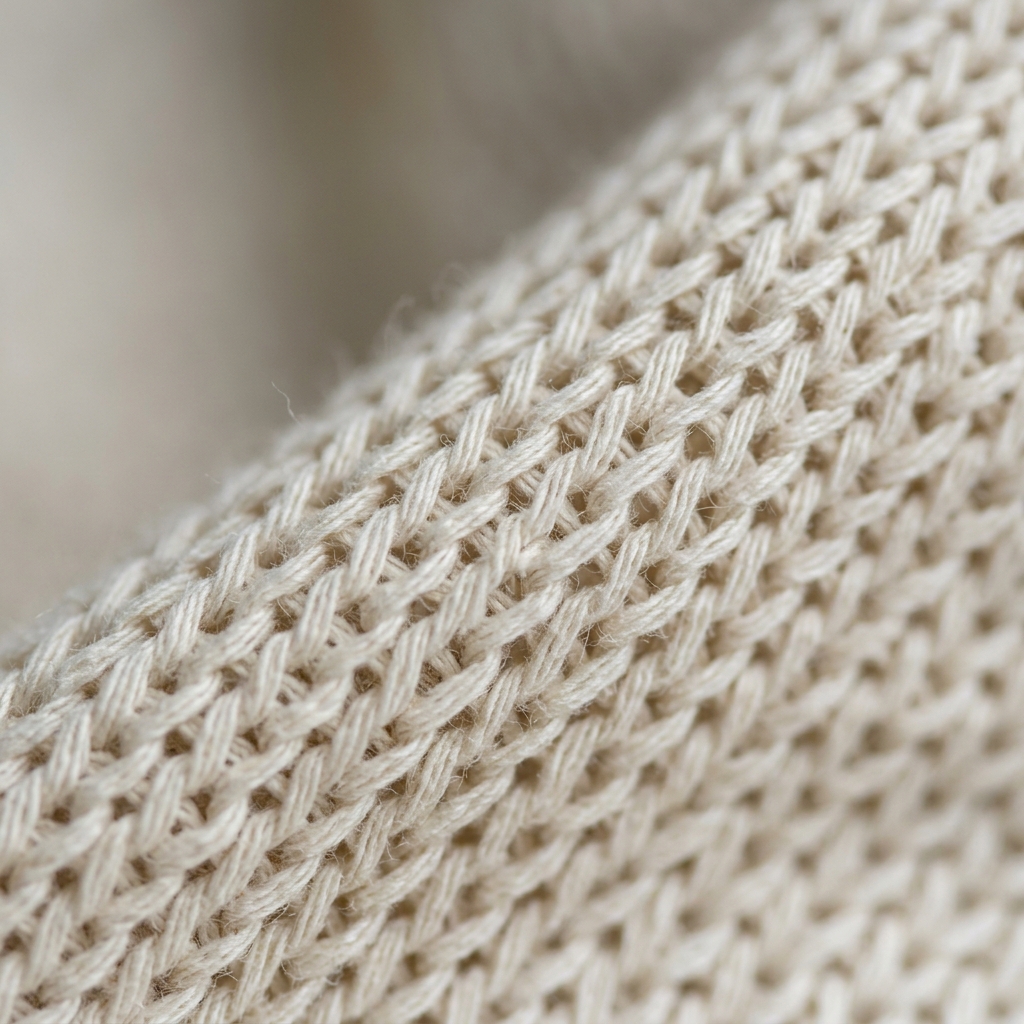
For immediate warmth against the skin. Brushed fabrics have raised fibers that trap air and create a plush surface. This texture is psychologically associated with safety and comfort, triggering relaxation responses.
Ergonomic Fits
Allowing for a full range of motion. Restrictive clothing increases cognitive load — your brain is constantly aware of the constraint. Ergonomic fits eliminate this background stress, freeing mental energy for the task at hand.
Weight
A "heavy" feel often provides a grounding, calming effect. The weight of a well-constructed garment creates a subtle, continuous pressure that many people find reassuring — similar to the way a weighted blanket works.
Designing for Mental Well-Being
Color Psychology in Winter
Winter's reduced daylight affects mood. Your clothing colors can counteract this:
- Warm tones (sahara sand, burnt orange) stimulate energy and optimism
- Deep neutrals (charcoal, ivory black) provide a sense of stability and focus
- Avoid all-black wardrobes in winter — they can reinforce seasonal low mood
The Ritual of Dressing
The act of choosing and putting on well-designed clothing is a daily ritual that sets intention. A considered outfit signals to your brain that the day matters — a small but meaningful psychological boost.
Frequently Asked Questions
How does clothing affect mood and productivity?
Research in enclothed cognition shows that the clothes we wear influence our psychological processes. Soft, comfortable fabrics reduce cortisol levels and create a sense of sensory safety, while well-fitting garments boost confidence and focus. In winter, when seasonal affective disorder affects up to 10% of people, clothing comfort becomes even more important for mental well-being.
What fabrics are best for winter comfort?
Soft-brushed cotton, cashmere blends, and heavyweight knits provide the best tactile comfort for winter wear. These fabrics create a gentle pressure against the skin that activates the parasympathetic nervous system, promoting calm and reducing stress. The weight of the fabric also provides a grounding, calming effect similar to a weighted blanket.
Editorial Stories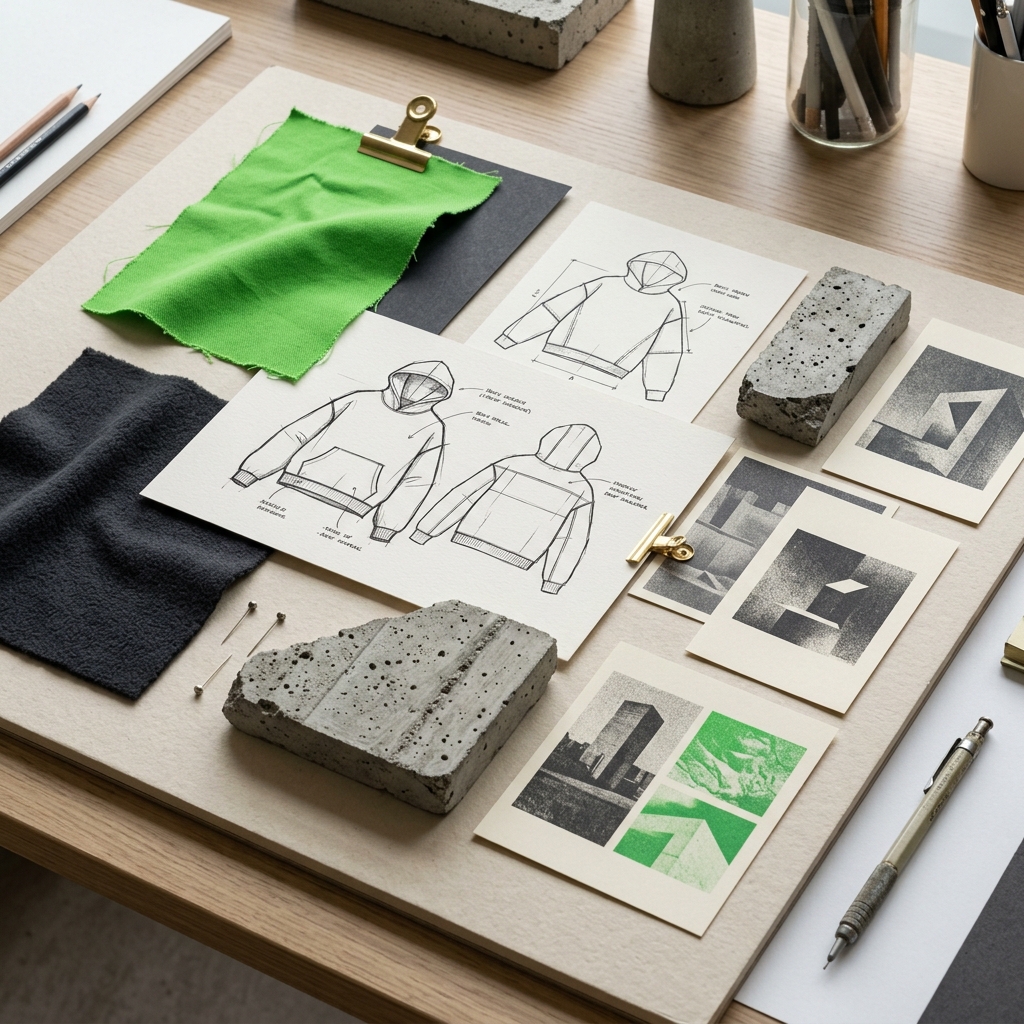
Related Articles
May 25, 2026
Winter 2026: The Creative Direction Behind the Collection
Discover the creative direction behind the Cottonclaas Winter 2026 collection, highlighting our brutalist inspiration and minimalist design philosophy.
May 15, 2026
Sustainable Fabrics: Why Quality Matters in Winter
Discover the sustainable winter fabrics driving the Cottonclaas collection, exploring the thermal properties of high-density organic cotton and wool.
December 15, 2024
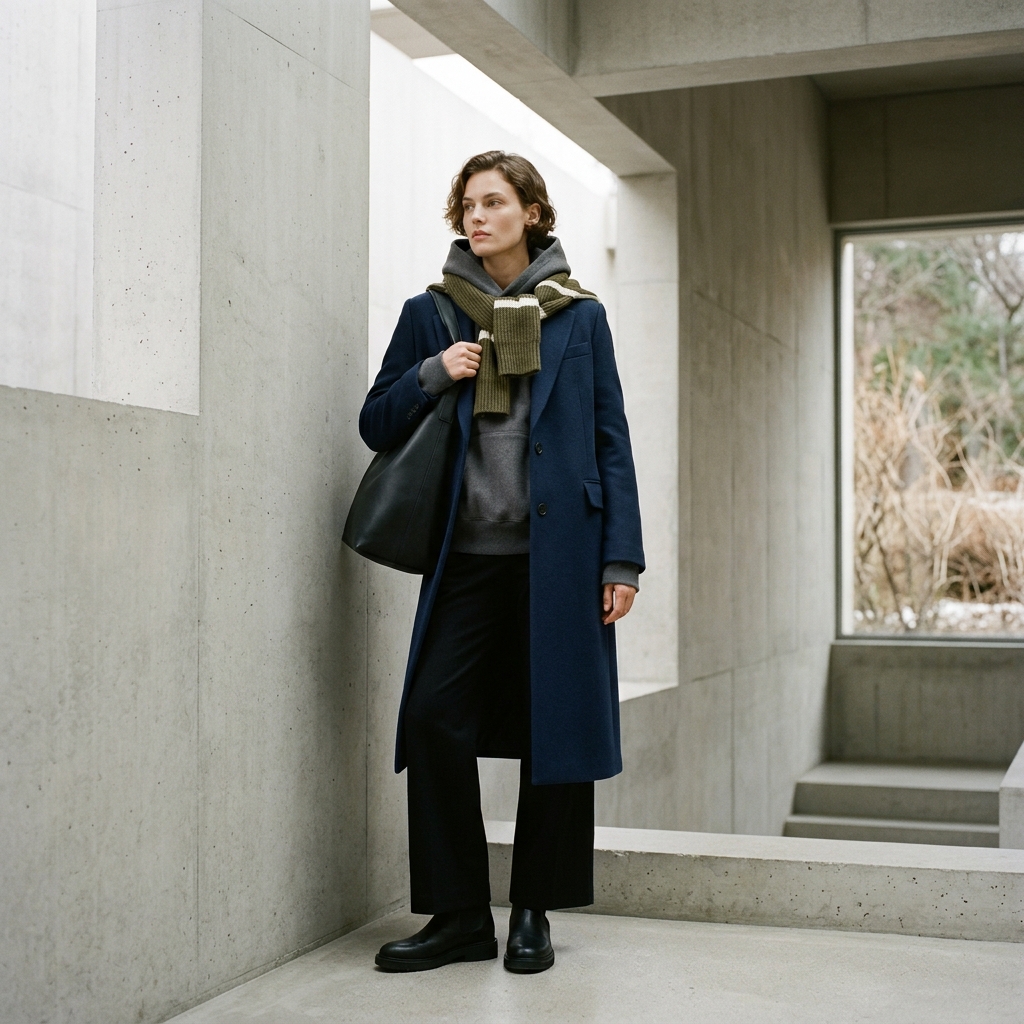
The Art of Winter Layering: A Strategic Guide
Master the art of winter layering with our strategic guide to styling premium cotton base, mid, and outer garments for cold-weather temperature regulation.