fashionwinter stylelayering guide
The Art of Winter Layering: A Strategic Guide
By Priya Sharma
2024-12-15— Updated 2026-05-22 — 4 Min Read
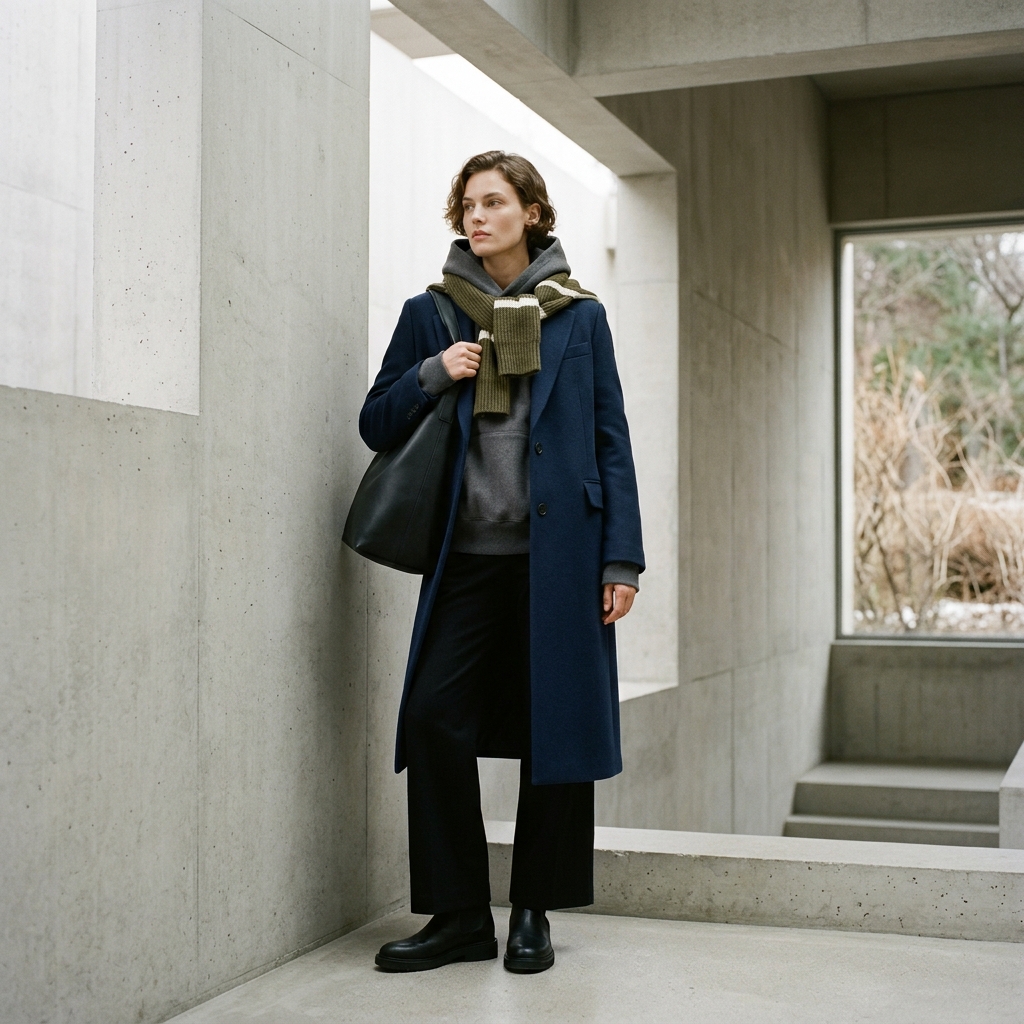
The Art of Winter Layering
Winter layering is the practice of wearing multiple garments to trap body heat while maintaining style and mobility. Effective layering creates air pockets between garments that act as insulation, keeping you warm without the bulk of a single heavy coat.
What Is Winter Layering?
Winter layering is a strategic approach to dressing for cold weather that uses multiple thin garments instead of one thick piece. The system works by creating trapped air between layers, which your body heat warms to form an insulating barrier. This method is more effective than a single garment because it allows you to adjust your warmth throughout the day by adding or removing layers as needed.
The Three-Layer Framework
Effective layering isn't about bulk — it's about air entrapment and moisture management. Research from textile science shows that three thin layers trap up to 30% more heat than a single garment of equivalent weight.
1. The Base Layer (The Foundation)
The goal here is moisture-wicking. Choose breathable cotton blends or fine knits that sit close to the skin to regulate body temperature.
Key properties of a good base layer:
- Breathability: Allows sweat vapor to escape, keeping skin dry
- Fit: Should be snug but not restrictive — close contact maximizes heat transfer
- Material: Cotton blends, merino wool, or silk work best for everyday wear
2. The Mid Layer (The Insulation)
This layer traps heat. Our premium sweatshirts and heavy-gauge knits act as the perfect buffer against the cold.
What makes an effective mid-layer:
- Thickness: Provides the primary insulation barrier
- Texture: Brushed interiors or fleece linings add warmth without weight
- Versatility: Should work as a standalone piece in milder weather
3. The Outer Layer (The Shield)
The final piece protects against the elements. Whether it's an overcoat or a structured jacket, this defines your silhouette.
Essential outer layer features:
- Wind resistance: Blocks cold air penetration
- Water repellency: Keeps moisture from reaching inner layers
- Structure: A well-cut outer layer elevates the entire outfit
Styling Tips
- Vary Textures: Mix smooth cotton with rugged wool to add depth.
- Play with Proportions: Pair a slim base with an oversized mid-layer for a modern look.
- Color Transitions: Stick to a cohesive palette, transitioning from lighter inner shades to darker outer tones.
Common Layering Mistakes
- Too many thick layers: Creates bulk and restricts movement. Three thin layers always outperform two thick ones.
- Ignoring the neck: Heat escapes through the neck. A mock neck or scarf seals the system.
- Wrong base layer material: Cotton alone can hold moisture. Blends with wool or synthetic fibers wick better.
Frequently Asked Questions
What is the best way to layer clothes for winter?
The three-layer system is the most effective approach: a moisture-wicking base layer close to the skin, an insulating mid-layer to trap heat, and a protective outer layer to shield against wind and rain. Each layer serves a distinct function, and together they create a system that regulates temperature better than any single heavy garment.
How many layers should you wear in winter?
Three layers is the standard recommendation for most winter conditions. In extreme cold, you can add a fourth layer such as a vest or lightweight puffer between your mid-layer and outer shell. The key is ensuring each layer is thinner than the one before it to avoid bulk.
What fabric is best for winter base layers?
Merino wool and cotton blends are ideal for base layers. Merino wool naturally regulates temperature and resists odors, while high-quality cotton provides breathability and comfort against the skin. Avoid synthetic fabrics that trap moisture.

Editorial Stories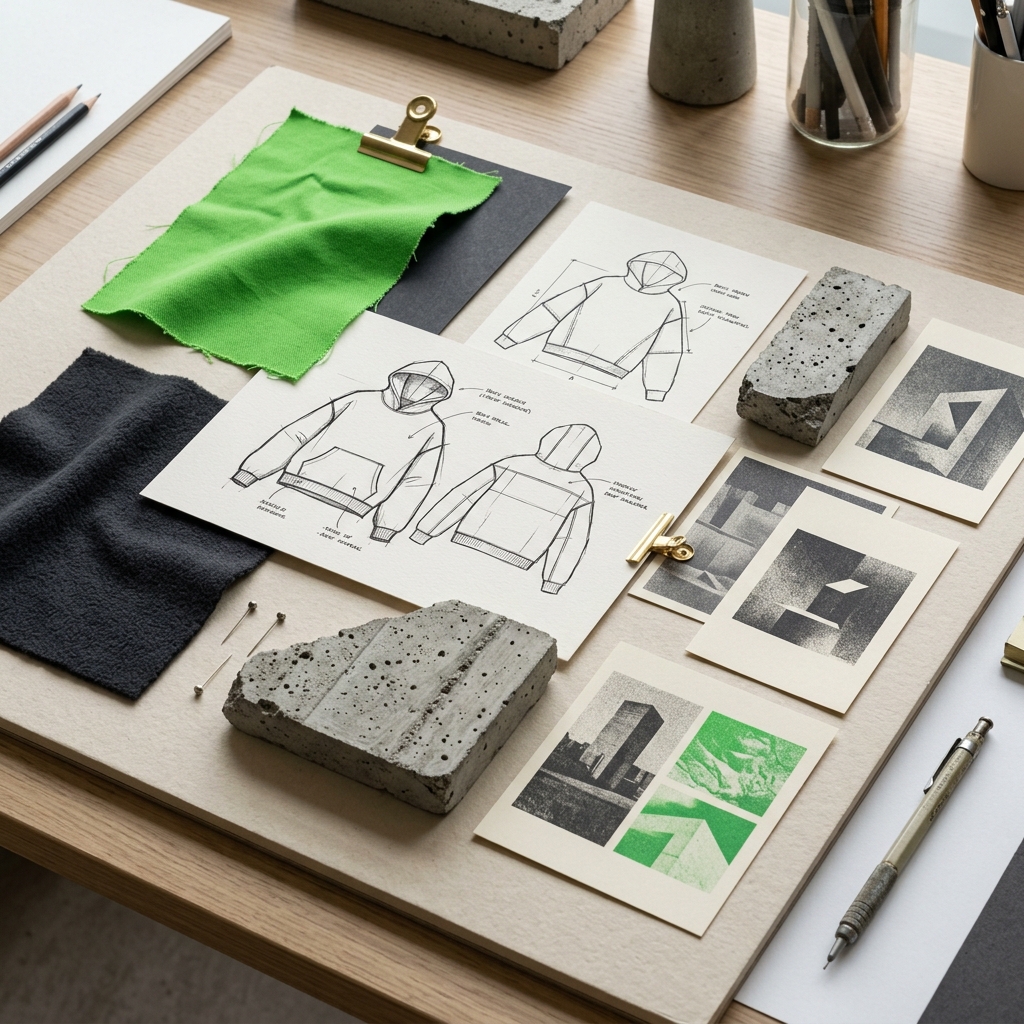
Related Articles
May 25, 2026
Winter 2026: The Creative Direction Behind the Collection
Discover the creative direction behind the Cottonclaas Winter 2026 collection, highlighting our brutalist inspiration and minimalist design philosophy.
May 21, 2026
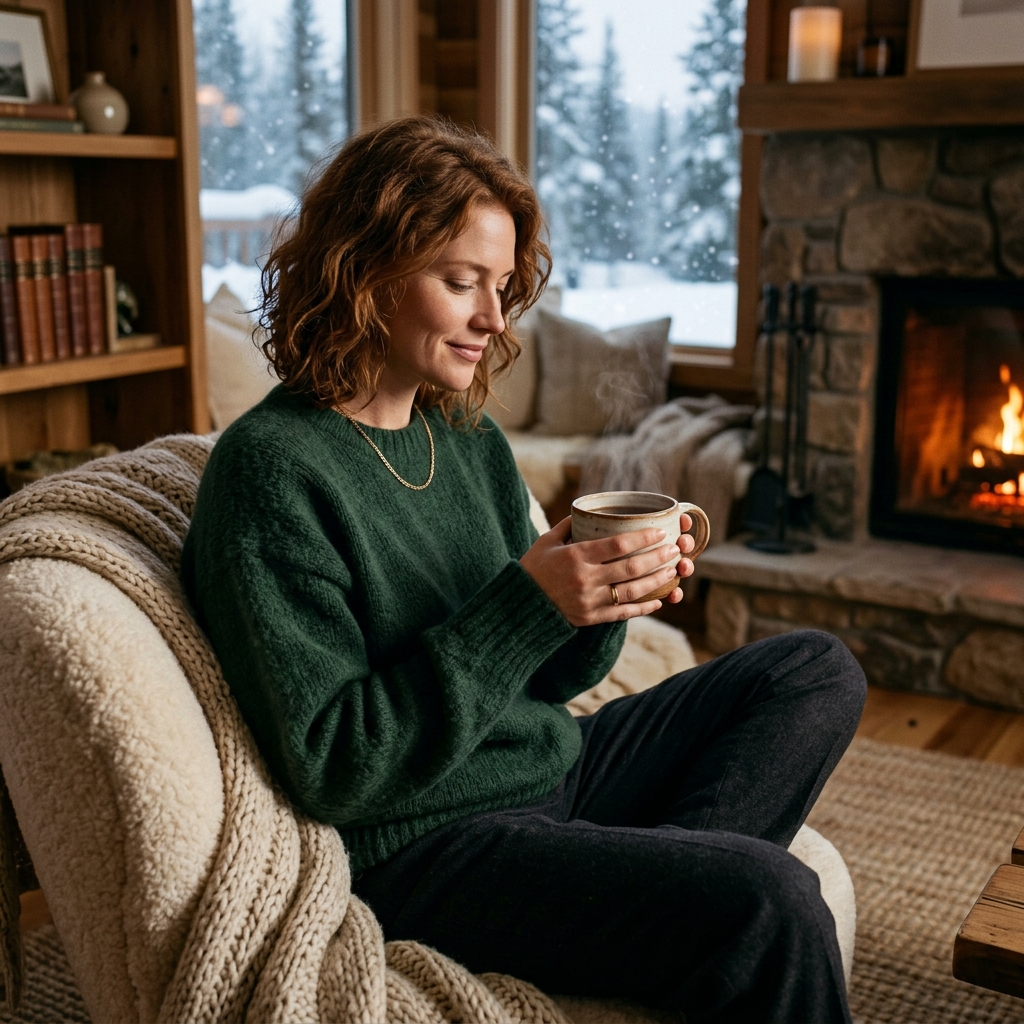
Designing for Comfort: The Psychology of Winter Wear
Explore the psychology of winter wear and enclothed cognition, explaining how fabric weights, soft textures, and tactile comfort affect mood and productivity.
May 15, 2026
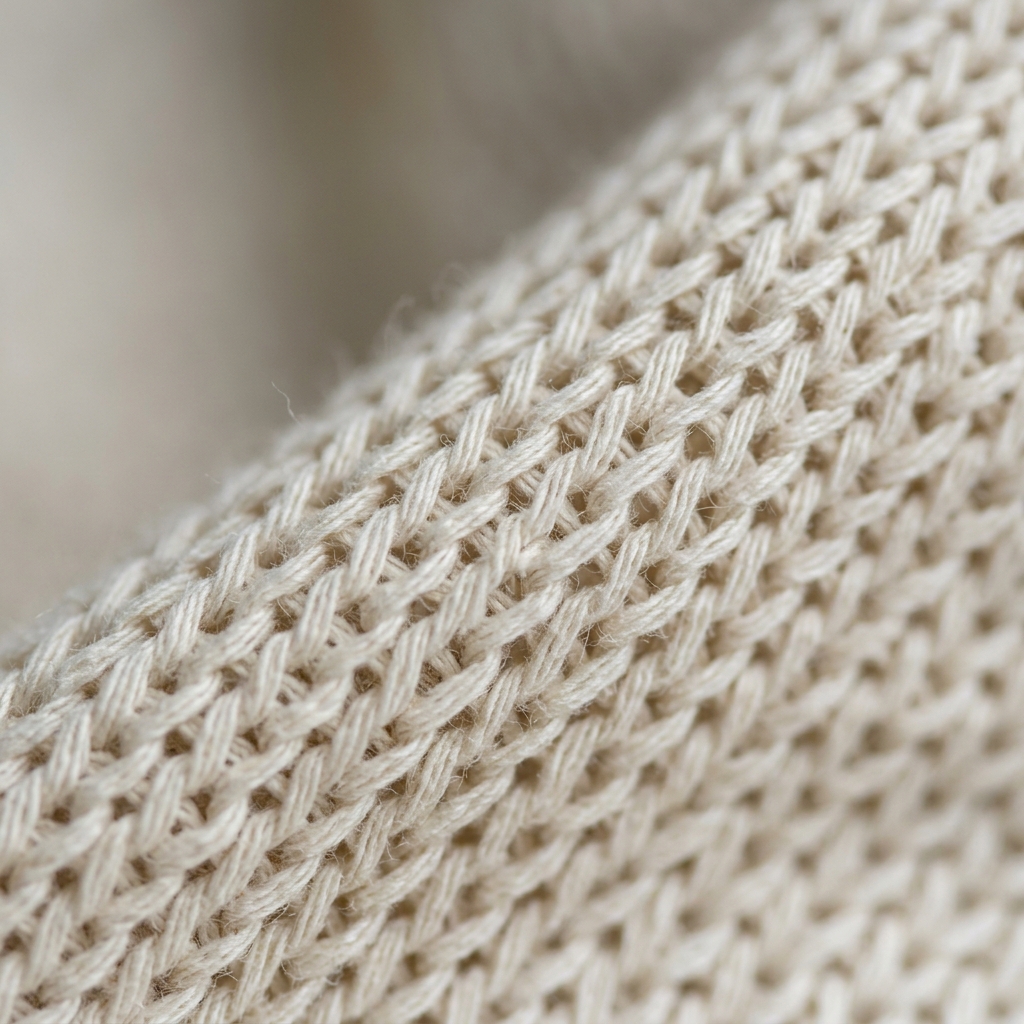
Sustainable Fabrics: Why Quality Matters in Winter
Discover the sustainable winter fabrics driving the Cottonclaas collection, exploring the thermal properties of high-density organic cotton and wool.